
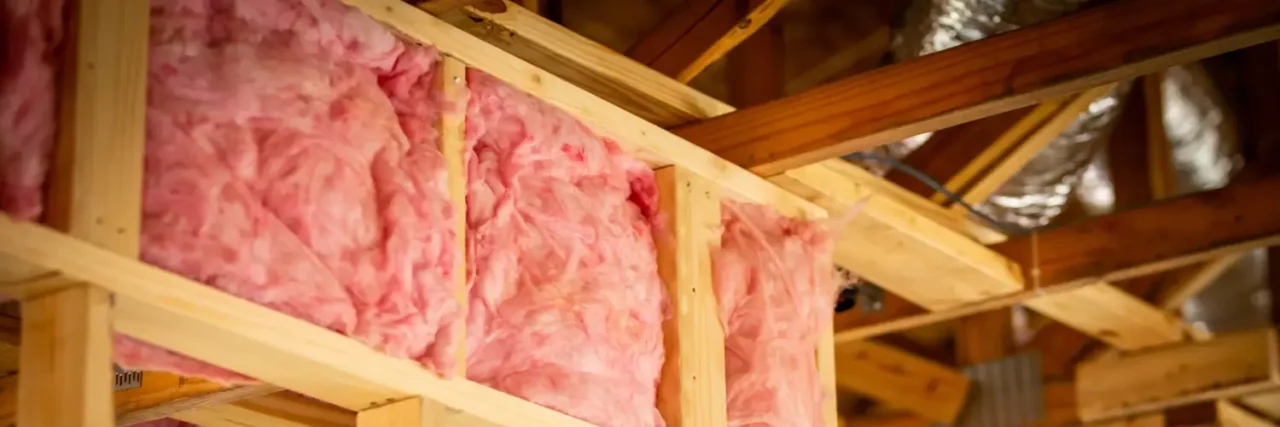
With global concerns about climate change growing, finding effective ways to reduce carbon emissions has become a priority. Having an insulated roof is one of the simplest and most impactful solutions for decreasing energy use and lowering a building’s carbon footprint. By improving energy efficiency, insulation plays a vital role in combating climate change and promoting sustainability.
The Connection Between Energy Use and Carbon Emissions
Energy production, particularly from fossil fuels, is a major source of carbon dioxide (CO₂) emissions. In homes and buildings, heating and cooling systems account for a significant portion of energy consumption. When energy is wasted due to poor insulation, the demand for heating and cooling increases, leading to higher emissions. Proper insulation reduces energy waste, directly cutting down the need for energy production and the associated emissions.
How Insulation Works to Save Energy
Insulation materials act as barriers to heat transfer, maintaining indoor temperatures by reducing heat loss in winter and heat gain in summer. This reduces the workload on heating, ventilation, and air conditioning (HVAC) systems, leading to lower energy consumption. By keeping energy use in check, insulation indirectly reduces the amount of CO₂ released into the atmosphere.
Types of Insulation and Their Impact on Emissions
Different insulation materials contribute to reducing carbon emissions in various ways:
- Fiberglass and Mineral Wool: These widely used materials are energy-efficient and made from recycled content, lowering their environmental impact.
- Spray Foam Insulation: With its excellent air-sealing capabilities, spray foam minimizes energy loss and prevents drafts, leading to significant energy savings.
- Rigid Foam Boards: Known for their high thermal resistance, these materials are effective in reducing heating and cooling demands in extreme climates.
- Natural Insulation Materials: Eco-friendly options like sheep’s wool, cork, and cellulose are biodegradable and require less energy to produce, further reducing carbon emissions.
Insulation’s Role in Renewable Energy Systems
Insulation complements renewable energy systems by enhancing their efficiency. For example, homes with proper insulation require smaller solar panels or wind turbines to meet their energy needs, making the transition to renewable energy more accessible and cost-effective. This synergy helps accelerate the shift away from fossil fuels, reducing overall carbon emissions.
Reducing Embodied Carbon with Sustainable Insulation
In addition to operational carbon savings, insulation can help reduce embodied carbon—the emissions associated with the production, transportation, and installation of building materials. Using materials with a lower carbon footprint, such as recycled or natural insulation products, further minimizes the environmental impact.
Benefits of Insulation Beyond Carbon Reduction
Insulation offers other environmental and social benefits, including:
- Lower Energy Bills: Reducing energy consumption also reduces costs for homeowners and businesses.
- Improved Indoor Comfort: Proper insulation maintains stable indoor temperatures, enhancing comfort throughout the year.
- Reduction in Air Pollution: By decreasing energy use, insulation indirectly reduces emissions of harmful pollutants like nitrogen oxides (NOₓ) and sulfur dioxide (SO₂).
- Contribution to Net-Zero Goals: Insulated buildings play a critical role in achieving global net-zero carbon targets.
The Scale of Impact
The widespread adoption of insulation in residential, commercial, and industrial buildings could have a transformative impact on carbon emissions. Studies estimate that improving building insulation globally could reduce CO₂ emissions by billions of tons annually. In countries like South Africa, where energy demand for heating and cooling is high, insulation is an essential strategy for achieving energy efficiency and environmental goals.
Taking Action with Insulation
To maximize insulation’s potential for reducing carbon emissions:
- Choose the Right Materials: Opt for high-performance, sustainable insulation products.
- Prioritize High-Impact Areas: Focus on insulating roofs, walls, and floors, which account for the most significant energy loss.
- Ensure Proper Installation: Professional installation ensures that insulation works effectively, minimizing gaps and air leaks.
- Combine Insulation with Other Measures: Pair insulation with energy-efficient windows, renewable energy systems, and smart thermostats for maximum savings.
Lowering Energy Demand
Insulation is a powerful yet often overlooked tool for reducing carbon emissions. By improving energy efficiency, lowering energy demand, and supporting sustainable practices, insulation contributes to a cleaner, more sustainable future. Investing in proper insulation benefits not only individual households but also the planet as a whole. Through collective efforts to prioritize energy efficiency, we can make meaningful strides in the fight against climate change.
Read more on Insulation SA