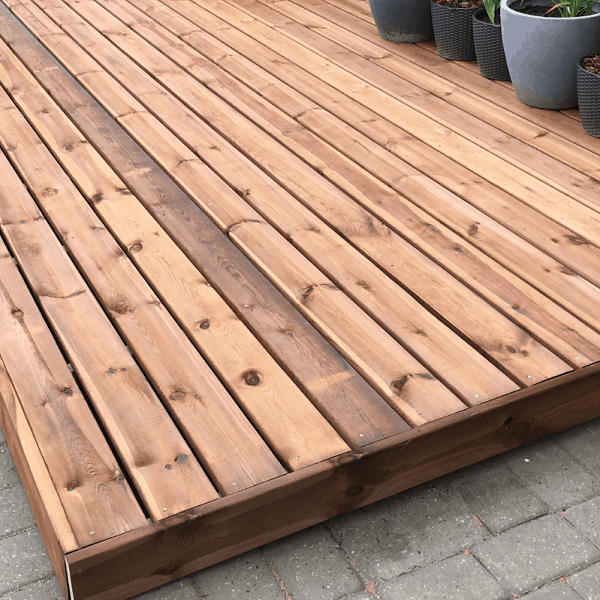
Floating Deck South Africa
Floating decks are wood decks that rest on the ground and are not attached to any structure, including your house. Also called freestanding decks, they are much easier to build than standard attached decks. These uniquely shaped and styled decks can be easily built into almost any yard shape and size.
A floating deck is a good idea for a low ground level deck, less than 600mm above grade. Beneficial for around a tree as not to disturb the tree’s roots. Building one is a good idea, with its reduced costs compared to a fixed deck.
Freestanding Deck
A freestanding deck can be a big investment but can be well worth it. It adds extra living space to your home and gives you a place to entertain. On top of that, if you’re planning on selling your home in the near future, a deck has one of the largest returns on investment of any home remodeling project.
- Can be built anywhere. Great for pools or gazebos. If your home is oddly shaped and won’t support an attached deck you can still build one freestanding.
- It’s simpler because there’s no need to worry about a ledger board and installing that properly or drilling into the side of your house.
- It will support itself and doesn’t add any weight to the structure of your home
Floating Deck Cape Town
One of the reasons people choose this kind of feature is because they can put it practically anywhere in their yard. Some opt to build theirs around one or more trees. Others build theirs as a base for a pergola.
Some construct the feature to extend an existing attachment to their homes. Still other homeowners opt to build a floating deck partly or fully around a water feature. In other words, they use it as both a functional space and as an expanded focal point.


Floating Deck Materials South Africa
A floating deck is a great option for creating an outdoor living space in your backyard. Unlike a traditional deck, it is not attached to the ground and is supported by a system of beams, piers, and posts. There are a variety of materials to choose from when building one, and each material has its own benefits and drawbacks. We’ll provide an overview of the most popular floating deck materials.
- Wood: Wood is a classic and traditional choice for decking material. It’s affordable, versatile, and easy to work with. However, wood does require regular maintenance, including staining, sealing, and cleaning, to keep it looking great.
- Composite: Composite decking is a low-maintenance material made from a blend of wood fibers and plastic. It’s resistant to weather, rot, and insects, and it doesn’t require staining or sealing. However, composite decking can be more expensive than wood.
- PVC: PVC decking is a low-maintenance, weather-resistant material that is similar to composite decking. It’s made from a blend of plastic and wood fibers, and it’s designed to look like natural wood. PVC decking is also more expensive than wood, but it requires less maintenance.
- Aluminum: Aluminum decking is a durable, weather-resistant material that is ideal for floating decks. It’s low-maintenance, lightweight, and easy to install, but it can be more expensive than other decking materials.
- Steel: Steel decking is a strong, durable material that is ideal for floating decks. It’s weather-resistant and low-maintenance, but it’s also heavy and more expensive than other decking materials.
When choosing a material for your floating deck, it’s important to consider your budget, the level of maintenance you’re willing to undertake, and the look you’re trying to achieve. No matter which material you choose, you’ll be able to create an outdoor living space that is perfect for entertaining, relaxing, and spending time with friends and family.
There are a variety of floating deck materials to choose from, each with its own benefits and drawbacks. Consider your budget, maintenance requirements, and desired look when choosing a material for your floating deck. With the right material, you’ll be able to create an outdoor living space that is functional, stylish, and perfect for your needs.
The Importance of a Solid Foundation
Lets discuss the different options for floating deck foundations and the steps you’ll need to take to build a strong and stable foundation for your deck.
1) Concrete Blocks or Piers
Concrete blocks or piers are the most common foundation option for floating decks. They are easy to install and provide a stable base for your deck. To build a foundation with concrete blocks or piers, you’ll need to determine the location of each block or pier, then dig a hole and pour concrete into the hole. Once the concrete has cured, you’ll place the block or pier into the hole and level it. Repeat this process for each block or pier, making sure to keep them evenly spaced.
2) Precast Concrete Piers
Precast concrete piers are another option for floating deck foundations. They are similar to concrete blocks or piers, but they are precast at a factory and have a more finished look. To install precast concrete piers, you’ll need to dig a hole and place the pier into the hole. Repeat this process for each pier, making sure to keep them evenly spaced.
3) Concrete Footings
Concrete footings are another option for floating deck foundations. They are similar to concrete blocks or piers, but they are larger and provide more stability. To build a foundation with concrete footings, you’ll need to determine the location of each footing, then dig a hole and pour concrete into the hole. Once the concrete has cured, you’ll place a post into the hole and level it. Repeat this process for each footing, making sure to keep them evenly spaced.
Regardless of which foundation option you choose, it’s important to make sure that the foundation is level and stable. This will help to ensure that your deck is safe and secure, and it will prevent your deck from settling or shifting over time.
A solid foundation is essential for a floating deck. There are several foundation options to choose from, including concrete blocks or piers, precast concrete piers, and concrete footings. Make sure to choose the foundation option that works best for your deck, and take the time to build a strong and stable foundation to ensure the safety and longevity of your deck.
The Cost of Building a Floating Deck in South Africa
If you’re considering building a floating deck in South Africa, you’ll want to know how much it will cost. We’ll provide an overview of the cost of building a floating deck in South Africa.
1) Materials
The cost of materials is one of the biggest expenses when building a floating deck. The cost of materials will depend on the size of your deck, the type of materials you choose, and the location of your deck. On average, the cost of materials for a floating deck in South Africa will range from R5,000 to R15,000, depending on the size of your deck and the materials you choose.
2) Labor
The cost of labor is another factor to consider when building a floating deck. If you have the skills and experience to build the deck yourself, you’ll save on labor costs. If you hire a contractor, the cost of labor will depend on the size of your deck and the complexity of the design. On average, the cost of labor for a floating deck in South Africa will range from R5,000 to R20,000, depending on the size of your deck and the complexity of the design.
3) Other Costs
There are several other costs to consider when building a floating deck in South Africa, such as the cost of permits, insurance, and tools. On average, these costs will range from R1,000 to R3,000, depending on the size of your deck and the location of your deck.
The cost of building a floating deck in South Africa will depend on several factors, including the size of your deck, the type of materials you choose, and the complexity of the design. On average, the cost of building a floating deck in South Africa will range from R11,000 to R38,000, depending on the size of your deck and the materials and labor you choose. Make sure to get multiple quotes from contractors and suppliers to get a better understanding of the cost of building a floating deck in South Africa.
Are You Interested In An Estimate?